Molasses pumps for livestock farms and feed mills
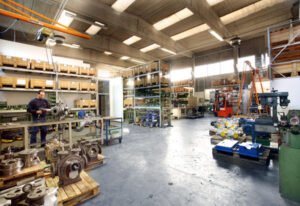
Self-priming external gear volumetric pumps designed for handling high-viscosity molasses, used as an energy ingredient in feed for cattle, pigs, and other farm animals. Our molasses pumps guarantee constant flow, precise dosing, and reliability even with dense, sticky products and varying temperatures throughout the year.
Request specific technical advice for molasses: we can analyze your current system and suggest in a few minutes whether and how to intervene on the pump or pipes.
Prefer to talk on the phone? Call 051 0910402.
Where molasses pumps are used
Molasses pumps are used in dairy and beef cattle farms, pig farms, sheep and goat farms, and feed mills that produce complete or concentrated feed. They are used to transfer molasses from storage tanks to preparation lines, for dosing in mixers and mixer wagons, or for feeding automatic rationing lines.
Livestock farms (cattle, pigs, sheep and goats)
In livestock farming, molasses is often used as a source of energy and to improve the palatability of the ration. An inadequate pump can cause continuous clogging problems, product losses, and inaccurate dosages, resulting in unbalanced rations and higher costs.
- Transferring molasses from the storage tank to the mixer
- Controlled dosing of molasses in the daily ration
- Reduction of waste and dripping along the pipes
- Greater regularity of distribution among the various groups of animals
Feed mills and liquid feed production plants
In feed mills, molasses is mixed with flour and other components to obtain complete feeds, premixes, or liquid supplements. Here, the pump must ensure stable flow and repeatable dosing in order to maintain a consistent formulation for each batch.
- Feeding mixers and liquid feed production plants
- Automatic dosing of molasses in recipes using control systems
- Compatibility with existing lines and automation panels
- Reduction of downtime for forced cleaning of the molasses circuit
Why a molasses pump must be carefully sized
Molasses is a very particular fluid: dense, sugary, sticky, and with viscosity that varies with changes in ambient temperature. An unsuitable pump may have difficulty priming, create motor overloads, clog pipes, or provide irregular dosages that compromise the quality of the ration or feed produced.
- Molasses viscosity as a function of storage temperature
- Distance and head between tank, pump, and point of use
- Required flow rate at different times of the day or production cycle
- Materials compatible with a sugary and slightly corrosive fluid
- Cleaning and maintenance requirements based on frequency of use
Features of molasses pumps
Molasses pumps are designed to operate continuously despite the demanding nature of the fluid, with solutions that reduce the risk of clogging and facilitate cleaning operations. The aim is to ensure continuity of service in the barn or feed mill, without having to constantly intervene on the systems.
- Gear geometry suitable for highly viscous fluids
- Self-priming capacity on lines that are not always perfectly full
- Materials resistant to the sugary action of molasses
- Possibility of adjusting the flow rate according to the recipe or ration
For detailed technical data on molasses pumps: 051 0910402
Talk to a technician specializing in molasses systems
If you use molasses in your farm or feed mill and are experiencing dosing, clogging, or leakage problems, a direct consultation with a technician can help you quickly identify the cause and the most effective solution. Together, we can analyze the current layout, critical points, distances, and working conditions to determine whether the pump is adequate or whether it would be better to consider a more suitable one.
Direct telephone number: 051 0910402
If you prefer, you can send us the specifications of your system by email or using the form (if available on other pages): type of molasses, temperature, flow rate, head, piping diagram, and mode of use. Based on this data, we will prepare a dedicated technical proposal and suggest any practical improvements.
Process data and configurations available for molasses
The performance of a molasses pump depends on a correct assessment of the degree of viscosity, storage temperature, and frequency of use. For livestock applications, where molasses is often used at certain times of the day, it is also important to consider the shutdown and restart phases to prevent the fluid from thickening too much in the pipes.
For this reason, we offer various configurations of gear pumps for molasses, with the possibility of adjusting the speed, adapting the materials, studying the best position of the pump in relation to the tank, and integrating any sensors or level controls. The goal is to make the system easy to use and reliable over time, without requiring continuous operator intervention.
Technical support for farms and feed mills
We can work with your trusted technician or plant maintenance engineer to define flow rates, heads, pipe diameters, and molasses circuit cleaning methods. Proper initial design prevents recurring problems and allows you to focus on managing your farm or feed production.
Scheduled maintenance and cleaning of the molasses circuit
Molasses, by its nature, tends to adhere to the internal surfaces of pipes and pumps. Scheduled maintenance and simple but regular cleaning procedures help to keep the system efficient, reduce the risk of clogging, and preserve dosing accuracy over time.
Services available for the livestock sector
- Pre-sales technical consulting dedicated to farms and feed mills
- Pump sizing based on molasses type and consumption
- Assistance with commissioning and start-up of the system
- Analysis of recurring problems (clogging, irregular dosing, leaks)
- Maintenance plans and practical advice for cleaning the circuit
Contact a technician to evaluate your molasses pump
Every farm or feed mill has specific needs: quantity of molasses used, distribution frequency, type of storage system, and mixing methods. Before working on the pump, it is advisable to have a clear picture of the actual situation in order to choose the most effective and durable solution.
In just a few minutes on the phone, we can determine whether your current pump is adequate, whether it is advisable to intervene on the diameters and routes of the pipes, or whether it is necessary to consider a new pump specifically designed for molasses.
Talk to a technician specializing in molasses pumps now: 051 0910402
If you prefer, you can send diagrams, photos, or process data by email or contact form: we will analyze your application and propose a targeted solution to improve efficiency, service continuity, and precision in molasses dosing.
Related pages
Overview
Food industry
Bitumen
FAQ – Frequently asked questions about molasses pumps
Can molasses damage the pump?
Molasses does not damage the pump if it is correctly sized and made of suitable materials. Problems arise when pumps that are not designed for viscous fluids are used, as they struggle to prime and wear out quickly.
Is it possible to adjust the amount of molasses dispensed?
Yes. Using inverters or speed control systems, it is possible to precisely adjust the pump flow rate and therefore the amount of molasses added to the feed ration or recipe.
Does the pump need to be cleaned every day?
It depends on the use and type of system. In many cases, periodic washing cycles, agreed upon based on working hours and the frequency of molasses use, are sufficient to prevent accumulation and clogging.
Can I use the same pump for molasses and other liquids?
In some cases, yes, but it is always best to assess the compatibility, viscosity, and cleaning methods of the various products. A brief technical analysis will help you understand whether this solution is feasible or whether it is better to use a pump dedicated solely to molasses.
What information is needed for a quote?
For an initial proposal, the following information is sufficient: daily molasses consumption, distance and height difference between the tank and the point of use, average product temperature, type of facility (livestock farm or feed mill), and any problems currently encountered. With this information, we can recommend a concrete solution during the initial phone call.